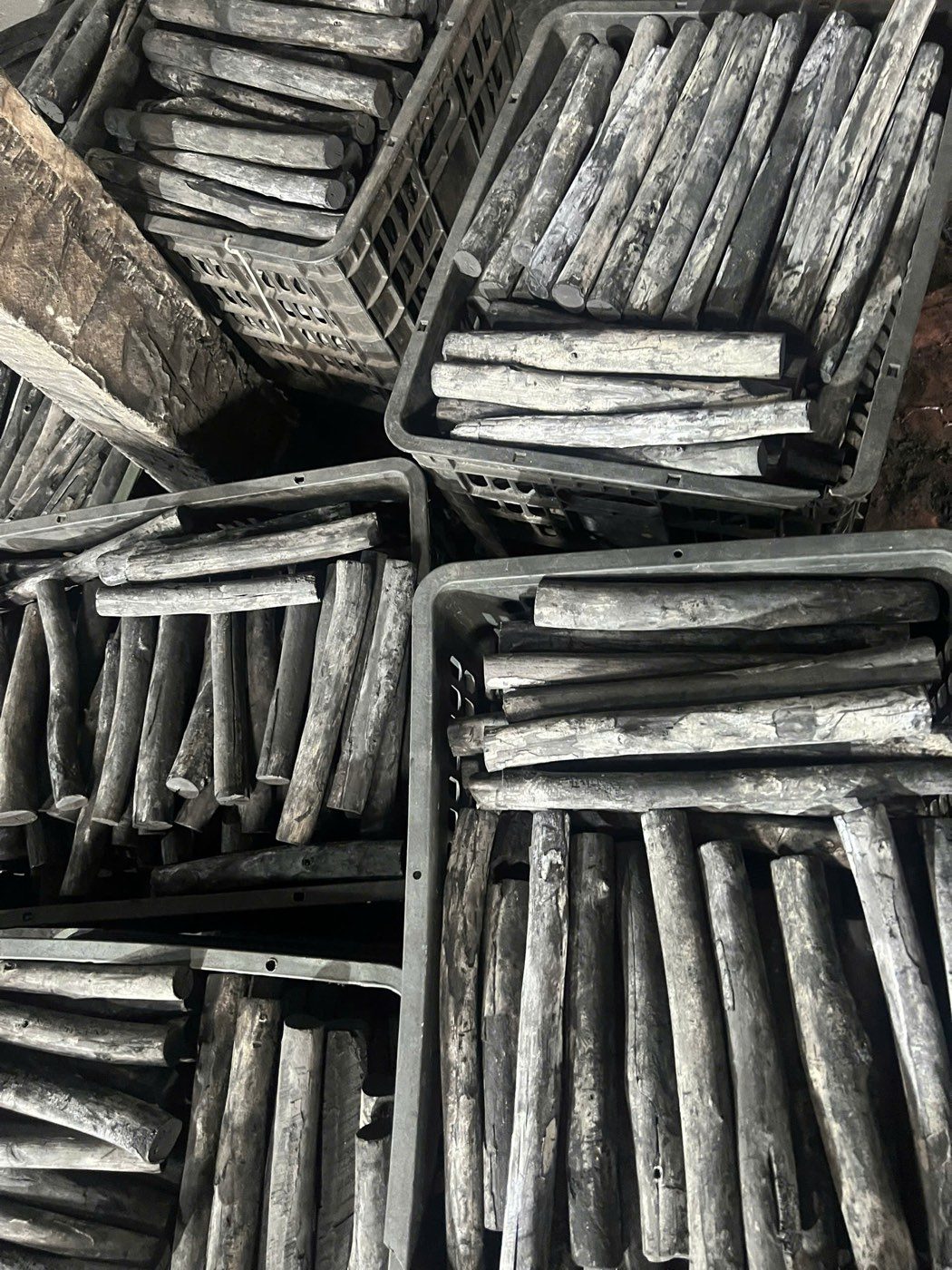
Why Is Charcoal Classified as Dangerous Goods?
For international sea transport, wood charcoal falls under UN 1361 — CARBON, animal or vegetable origin, Class 4.2 — Substances liable to spontaneous combustion. The classification reflects the recognized self-heating characteristics of carbon of animal or vegetable origin during transport. It is not a classification created specifically for SOHI's product — wood charcoal and other carbon of vegetable origin transported under UN 1361 are subject to the applicable dangerous-goods requirements.
What Changed Under IMDG Amendment 42-24?
The 2024 edition of the IMDG Code incorporating Amendment 42-24 became mandatory from 1 January 2026. For UN 1361 charcoal, the amendment removed the previous exemption framework and introduced Special Provision 978 (SP978). A significant change is that the UN N.4 self-heating test can no longer be used to exempt carbon of animal or vegetable origin under UN 1361 from the applicable IMDG Code requirements. In practical terms, charcoal transported under UN 1361 must now be handled and declared as dangerous goods in accordance with the applicable provisions.
Key Requirements Under Special Provision 978
The change is not only about paperwork — SP978 also introduces conditions for how charcoal is prepared, packed and stowed before ocean transport.
- Weathering Before Packing — unless otherwise approved by the competent authority or handled under a permitted alternative procedure, unpacked charcoal must normally be weathered under cover in the open air for a minimum of 14 days after production and before being packaged for transport. This should be considered when planning the packing and shipment timeline.
- Maximum Packing Temperature — charcoal may only be packed when the temperature of the material does not exceed 40°C on the day of packing. Shipment records need to reflect the relevant production, packing and temperature information.
- Appropriate Packaging — charcoal must be packed in accordance with the applicable dangerous-goods packing requirements. Containerized transport of loose charcoal without packaging is not permitted. The exact packaging accepted for a shipment should be confirmed with the selected carrier because individual carrier requirements may be more restrictive.
- Container Headspace — when packaged charcoal is loaded into a Cargo Transport Unit (CTU), such as a freight container, a minimum 30 cm headspace must be maintained above the cargo.
- Stowage Inside the Container — SP978 also includes requirements for the arrangement of packages inside the CTU; the stuffing and stowage plan should be reviewed as part of dangerous-goods preparation rather than treated the same as ordinary non-DG cargo.
Dangerous-Goods Documentation
For a confirmed shipment, the dangerous-goods document package is prepared according to the applicable IMDG requirements together with the selected carrier and forwarder requirements. Depending on the shipment and carrier, this may include: Dangerous Goods Declaration (DGD); Container or Vehicle Packing Certificate; production and packing-date records; packing-day cargo temperature; weathering record or certificate; vanning or stuffing survey, where required; product safety documentation requested by the carrier; and applicable shipment and export documents.
Under the current requirements, the Dangerous Goods Declaration for UN 1361 charcoal includes shipment-specific information such as the production date, packing date and temperature of the material on the day of packing. SOHI coordinates shipment-specific documentation and logistics requirements with the relevant packing facility, forwarder and carrier for confirmed export shipments. Buyers should also check any additional import or dangerous-goods requirements that apply in the destination country.
Carrier Requirements May Be Stricter Than the IMDG Minimum
The IMDG Code establishes the international framework for dangerous goods carried by sea, but individual shipping lines may impose additional acceptance requirements. These requirements can vary according to carrier, port of loading, destination, route, packaging, container configuration, and internal carrier safety policy. For this reason, carrier acceptance should be reconfirmed before a shipment or freight quotation is treated as final.
Vietnam Shipping Note — Updated September 2026
Carrier-specific requirements for charcoal shipments from Vietnam can go beyond the general IMDG provisions.
Some shipping lines on the Vietnam-origin route are currently requiring additional measures — such as a vacuum thermal container liner and a vanning survey performed by a carrier-nominated surveyor — on top of standard dangerous-goods documentation and packing controls.
These are carrier-specific requirements that vary by shipping line and are not applied universally across the industry.
Current requirements should always be checked directly with the selected carrier before booking.
Choosing a Forwarder With Dangerous-Goods Experience
If you arrange your own international freight under an FOB transaction, confirm that your forwarder can handle UN 1361, Class 4.2 cargo on the intended shipping route. Not every forwarder or carrier accepts the same dangerous-goods cargo on every route. Useful questions to ask: Do you handle UN 1361, Class 4.2 charcoal? Which carriers currently accept the cargo on this route? What dangerous-goods documents are required? Is a vanning survey required? Are there carrier-specific packaging or container requirements? What DG surcharges apply? How much booking lead time is required?
For CIF quotations, SOHI checks the applicable freight arrangement and dangerous-goods acceptance for the requested route with the relevant logistics partner. See our FOB and CIF white charcoal quotation guide for the information needed to request a quotation.
How Dangerous-Goods Requirements Affect Cost and Timeline
Dangerous-goods shipping can affect both the total logistics cost and the shipment timeline. Depending on the carrier and route, additional cost may arise from dangerous-goods surcharges, approved or certified packaging requirements, surveys or vanning inspection, special container preparation, carrier-specific safety measures, additional handling, and route or carrier availability. Shipment planning must also account for the applicable pre-packing requirements, including the weathering period, packing temperature and preparation of the required records and documentation. For this reason, dangerous-goods logistics should be discussed during the quotation stage rather than after the product has already been packed. See our FOB and CIF white charcoal quotation guide for the information needed to request a freight-inclusive quotation. If you are starting with a smaller quantity, see our guide to samples and trial orders.
Buyer FAQ
Does dangerous-goods classification mean the charcoal is unsafe?
Not by itself. Dangerous-goods classification does not mean charcoal is unsuitable for its intended use — it means charcoal has a recognized self-heating hazard under transport conditions and must be prepared, packed, declared and transported according to the applicable regulations. The classification is a transport-safety requirement rather than an indication that SOHI's charcoal is uniquely hazardous.
Is all wood charcoal shipped as UN 1361?
For international sea transport under the current IMDG framework, carbon of animal or vegetable origin such as wood charcoal is handled under UN 1361 and the applicable Class 4.2 requirements. Other carbon products may fall under different entries, so the correct classification should be confirmed for the specific product being shipped.
Can a laboratory self-heating test exempt charcoal from dangerous-goods shipment?
Under Special Provision 978 of IMDG Amendment 42-24, the UN N.4 test cannot be used to exempt UN 1361 carbon of animal or vegetable origin from the applicable IMDG Code provisions.
Does charcoal have to be stored for 14 days before shipping?
Special Provision 978 generally requires the unpackaged material to undergo a minimum 14-day weathering period before packaging, unless an applicable alternative procedure or competent-authority approval applies. The requirement relates to preparation before packaging, not simply waiting 14 days after the container has been packed.
Can dangerous-goods requirements delay my shipment?
They can add preparation, documentation and booking steps compared with ordinary cargo. Confirming the product classification, packing requirements, forwarder and carrier acceptance early can reduce avoidable delays. Actual booking and transit timing still depend on the carrier, route and shipment conditions.
Does dangerous-goods shipping cost more than normal cargo?
It can. Depending on the route and carrier, additional costs may include DG surcharges, compliant packaging, surveys, special handling or carrier-specific safety requirements. These costs should be checked when preparing the FOB or CIF quotation.
What should I do if I arrange the freight myself?
For an FOB shipment, confirm with your forwarder that they can handle UN 1361, Class 4.2 charcoal from the agreed Vietnamese port. You should also confirm the selected carrier's current documentation, packaging, survey and booking requirements before the shipment is prepared.
Are dangerous-goods requirements the same with every shipping line?
No. The IMDG Code provides the regulatory framework, but carriers may apply additional operational or safety requirements. The selected carrier's current policy should therefore be checked for each shipment.